Before Anyone Buys Dubai, They Choose It
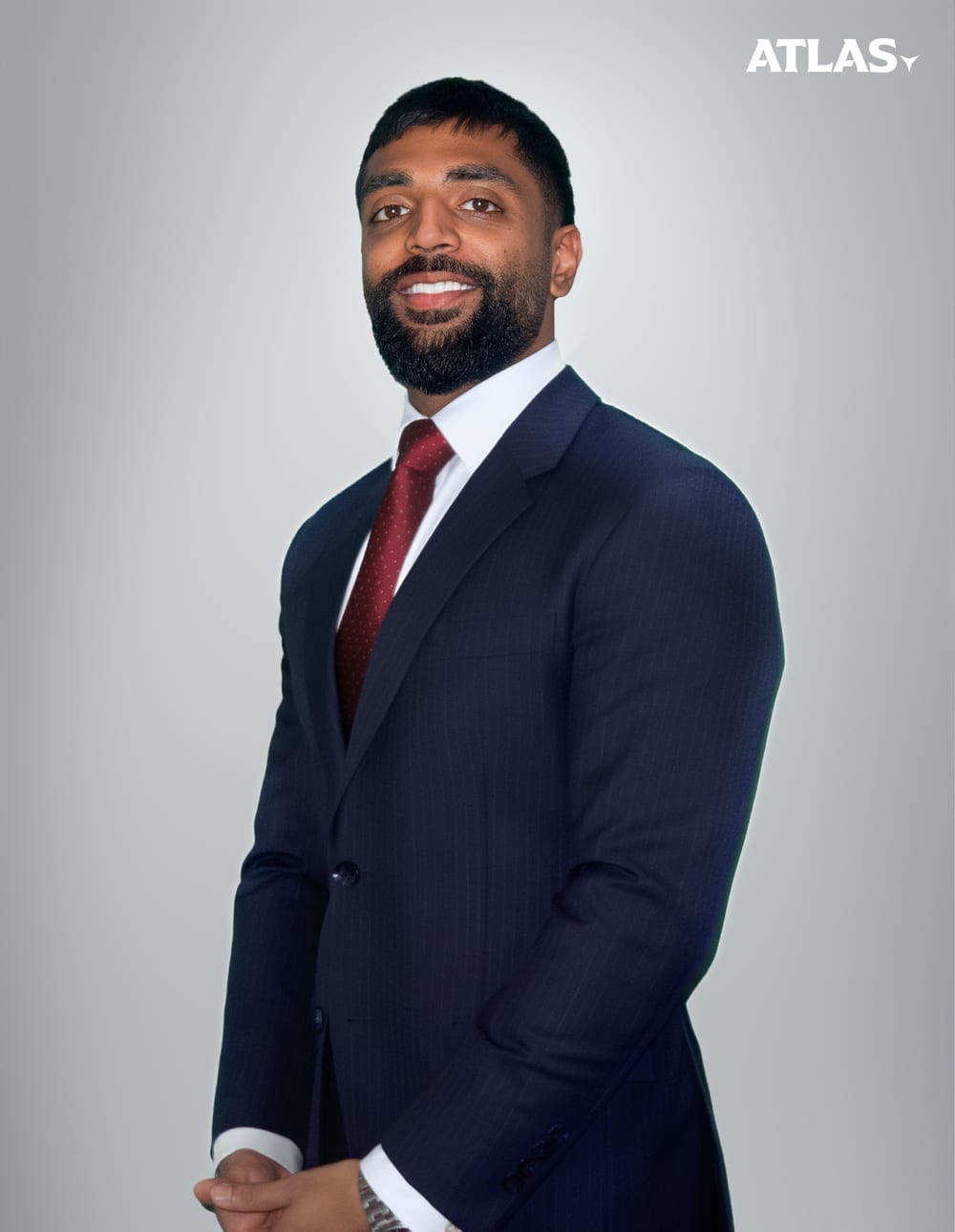
Adam Kumar
Senior Advisor
Before anyone buys property in Dubai, they choose Dubai itself, and that choice traces back further than most investors realise. In 1968, a hospital conversation planted an idea in a young Sheikh Mohammed that would go on to shape how the city was built: talent moves toward opportunity, not simply toward money. Nearly six decades later, that idea still explains why global companies keep relocating here, why people build their lives in this city, and why Q2 2026's softer transaction volumes may be creating the best Off-Plan entry conditions Atlas has seen in five years.
Key Takeaways
Dubai's property demand is downstream of human demand: companies open, jobs get created, people relocate, and only then does housing demand follow.
DIFC reached 10,018 active companies after adding 2,318 new companies in the past 12 months, despite regional conflict, showing that business relocation to Dubai has continued through recent uncertainty.
Savills recorded a 19% quarterly drop in transactions in Q2 2026 alongside 5 to 7% price adjustments (up to 10% in some areas), creating what Atlas views as the best Off-Plan entry conditions in five years.
A strong city narrative does not make every project a good investment. Location, pricing, and differentiation still decide individual outcomes.
Why Talent Moves to Dubai
On 3 July, Arabian Business posted an Instagram carousel titled "Why does talent move to Dubai?"
As someone who has also moved to Dubai, firstly, I'm flattered to be considered talented. Thank you very much.
This question has been coming up more and more from different angles recently, so I wanted to answer it directly from my perspective. But the story actually starts in 1968.
A 1968 Conversation That Explains Modern Dubai
In 1968, while studying at Mons Officer Cadet School in the UK, Sheikh Mohammed visited a hospital and met an Arabic speaking doctor who had recently moved to Britain.
When the Sheikh asked the doctor if he would return home, the doctor answered with an Arabic saying: "My home is where I can eat."
That line stayed with the Sheikh. It was significant enough that, in 2014, forty six years later, he wrote an essay on what actually causes people to migrate, specifically what causes top talent to leave a loving home base to build a new life somewhere else, with all the trials that come with it.
The essay reached several conclusions, but the core idea can be summed up in one line: "Talent is drawn, like a magnet, to opportunity."
This isn't heading toward a "look how many billions of AED are pouring into Dubai" argument. There are more specific, more useful ideas here about the past, the present, and the future of this city.
From Curiosity to Execution: How Dubai Was Built
Sheikh Mohammed returned to that hospital conversation in 2014, forty six years and nearly 17,000 days after it happened. That's how long one conversation stayed active in the background of his thinking.
What matters most is the timing. He was studying why talented people chose successful cities before modern Dubai existed: before DIFC, before the Burj Khalifa, before anyone compared Dubai to London, Miami, or Singapore. He was trying to understand why people choose great cities before his own city had fully emerged.
Success tends to leave a trail, and Sheikh Mohammed's trail is a long running curiosity about how great cities work and why talented people choose them, eventually turned into execution. Modern Dubai can be read as the answer to a question he had been sitting with for decades: what does a city need to offer for talented people to choose it?
Capital Alone Doesn't Build Cities, Institutions Do
A common take from overseas observers reviewing the UAE's success is that it comes down to money. Capital was clearly an advantage, but having capital and deploying it well are two different skills.
Money on its own doesn't produce safe communities, efficient government, international business activity, good schools, functioning infrastructure, or a genuinely good everyday life. Capital only reshapes a city when leadership converts it into institutions, infrastructure, and opportunity.
Why Companies (and Their People) Keep Choosing Dubai
This opportunity anchored approach is easy to see in Dubai today. DIFC recently reached 10,018 active companies after adding 2,318 new companies over the past 12 months, despite regional conflict.
That means business growth in Dubai continued through regional uncertainty, and international firms kept choosing to place both people and capital here. As more companies commit human and financial capital, Dubai's long term outlook becomes increasingly self reinforcing:
Companies create jobs.
Jobs attract skilled people.
People arrive with partners and families.
Families put down roots and buy homes.
And send their children to schools like the new Harrow International School Dubai, opening August 2026.
Attracting Talent Is Not the Same as Retaining It
Attracting talent is one problem. Keeping it is another. Retention comes from giving people a genuinely good life: careers that can grow, and everyday convenience that keeps improving rather than standing still.
Dubai ranked first in Savills' 2025 Executive Nomad Index, and the UAE placed third globally for expatriate quality of life in InterNations' 2026 survey. In that survey, 94% of expatriates rated their personal safety positively, 89% praised political stability, and more than four in five reported positively on both the availability and quality of healthcare.
One of my favourite details on this topic is Dubai's "Bread for All" scheme, where machines across the city prepare fresh bread around the clock, free for anyone who needs it. People aren't relocating thousands of kilometres for Dubai's answer to Hovis, but it says something that the intent behind building a great city reaches every layer of society.
What This Means for Property Demand
The fruit available today came from seeds planted over 50 years ago. The fruit available tomorrow is coming from seeds being planted right now.
To anticipate future housing demand, watch where companies are opening, where jobs are being created, which industries are expanding, and where the people working in those industries will want to live. Property demand is downstream of human demand. Before anyone buys in Dubai, they choose Dubai first.
Believing in Dubai Doesn't Mean Believing in Every Project
None of this means every piece of Dubai real estate is a good investment. A strong economy, a growing population, and leadership that follows through cannot rescue a poor location, an inflated entry price, or an apartment offering the same value as 8,888 competing units nearby.
The first question worth asking is: why invest in Dubai at all? Hopefully this article has helped answer that.
The second, more important question is: why this particular project? That question takes real work from an advisor who understands each project individually: how it fits your end goal, what your options look like across your timeline, and how to think through the exit before getting emotionally attached to the entry.
The Opportunity in Today's Market
Seasons come and go. Nobody predicted COVID, the Russia-Ukraine war, the current regional conflict, or whatever gets tweeted next. Dubai is not immune to global events, and its property market will keep experiencing periods of weaker sentiment and shifting prices.
The more useful question is whether the city still has the leadership, resources, and adaptability to keep moving forward through those periods.
Savills recorded a 19% quarterly drop in transactions during Q2 2026, as buyers became more selective with more supply and choice available. Its analysis also found price adjustments of roughly 5 to 7%, and up to 10% in some locations.
That softening has created what we believe is the best Off-Plan entry environment in the last five years: disciplined, opportunistic buyers now have choice, time, and leverage through preferential payment mechanics.
If you're considering entering the Off-Plan market, send over your budget, timeline, and intended outcome. I'll point you toward the options that offer genuine value, and just as importantly, the ones I'd avoid.
Reach out to the Atlas Advisory team to start that conversation.
Frequently Asked Questions
Why do talented people and companies keep moving to Dubai?
Dubai's growth strategy, shaped by Sheikh Mohammed's decades long focus on opportunity, centres on converting capital into institutions, infrastructure, and everyday quality of life rather than relying on money alone. This attracts companies, which create jobs, which in turn attract skilled people and their families.
How many companies are currently active in DIFC?
As of mid 2026, DIFC reached 10,018 active companies, after adding 2,318 new companies over the previous 12 months, despite regional conflict in the wider area.
How does Dubai rank for expatriate quality of life?
Dubai ranked first in Savills' 2025 Executive Nomad Index. The UAE placed third globally for expatriate quality of life in InterNations' 2026 survey, with 94% of expatriates rating personal safety positively and 89% praising political stability.
What happened to Dubai's property transactions in Q2 2026?
Savills recorded a 19% quarterly reduction in transactions during Q2 2026 as buyer selectivity increased alongside greater supply and choice, along with price adjustments of approximately 5 to 7%, and up to 10% in some locations.
Does a strong Dubai economy mean every real estate project is a good investment?
No. A strong economy and growing population do not offset a poor location, an inflated entry price, or a project with little differentiation from thousands of competing units. Evaluating the specific project, not just the city, is essential before investing.
About the author
Adam Kumar
Senior Advisor · Atlas Advisory Real Estate
Adam Kumar has advised private clients on UAE property investment for over a decade, with a focus on cross-border transactions and residency planning for high-net-worth individuals from Europe, South Asia, and the GCC.
Speak with an Advisor
Have questions about this topic?
Our Advisors provide personalised briefings at no cost. No commitment required.
Request a free consultation